The Elephant, the Rider and the Path
Lasting habits become more likely when rational direction, emotional motivation and the surrounding environment work together.
Scroll to readMost habits begin with a reasonable plan.
You decide to exercise regularly, stop checking your phone in bed or spend more time on something meaningful.
You understand why the change matters. You may even know exactly what you should do.
Then the moment arrives.
The alarm rings, but the bed is warm. You planned to exercise, but you are tired. You intended to read, but your phone is already in your hand.
This gap between intention and behaviour is often treated as a lack of discipline.
The metaphor of the Elephant, the Rider and the Path offers a more useful explanation.
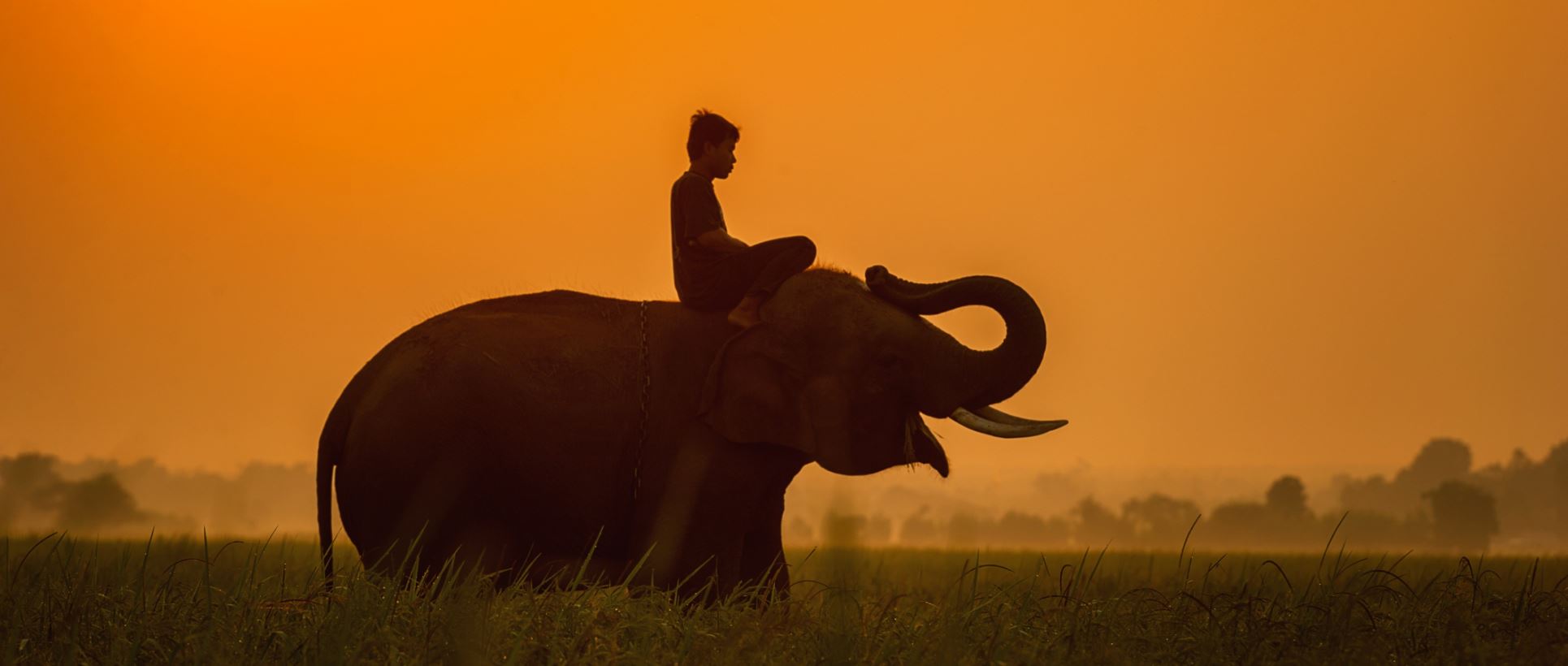
The Rider needs direction
Social psychologist Jonathan Haidt introduced the image of a Rider sitting on an Elephant. Chip and Dan Heath later developed it into a framework for change in their book Switch.
The Rider represents the rational part of the mind. It plans, analyses and considers the future.
The Rider knows why you should exercise, sleep more or spend less time online. It can create goals and detailed plans.
But the Rider can also become stuck.
“Exercise more” sounds like a direction, but it leaves too many questions unanswered.
What kind of exercise? When? For how long? What happens when the original plan becomes impossible?
The Rider needs clarity:
On Monday, Wednesday and Friday, I will walk to the gym after work and exercise for 30 minutes.
A clear next step is more useful than a vague ambition.
The Elephant needs motivation
The Elephant represents emotion, instinct and automatic behaviour.
The Rider wants better health in six months. The Elephant wants to stay in bed this morning.
The Rider can temporarily force the Elephant to comply, but relying on willpower becomes exhausting. When life gets stressful, the Elephant usually returns to what feels familiar and rewarding.
This does not make the Elephant lazy.
The Elephant also provides the energy required for change. Excitement, courage, determination and hope all come from there.
It needs an immediate reason to move.
Perhaps exercise gives you a clearer mind after work. Perhaps writing helps you reconnect with a part of yourself you have neglected. Perhaps putting your phone away allows you to be present with someone you care about.
The Elephant also responds to smaller steps.
“Write a book” feels intimidating.
“Write one paragraph” feels possible.
The first step does not need to transform your life. It only needs to create movement.
The Path needs shaping
The Path represents the environment in which the habit takes place.
Imagine that you want to stop checking your phone while working.
The Rider understands that notifications are distracting. The Elephant enjoys the immediate reward of checking them. Meanwhile, the phone is sitting on your desk with every application within reach.
You can fight the urge all day, or you can change the Path.
Put the phone in another room. Turn off notifications. Remove the most distracting applications.
The behaviour becomes easier not because you developed a stronger personality, but because your environment stopped inviting the old habit.
The same principle works in the other direction:
Prepare your training clothes the night before.
Keep healthy food visible.
Place the book beside your bed.
Leave the guitar where you can easily reach it.
Make the desired behaviour easier and the unwanted behaviour harder.
Stop asking what is wrong with you
When a habit fails, people often call themselves lazy, inconsistent or undisciplined.
But failure may simply mean that one part of the system was ignored.
If you keep overthinking, the Rider may need a clearer step.
If the plan is clear but you feel no energy to follow it, the Elephant may need a meaningful reason or a smaller beginning.
If you feel motivated but keep returning to the old behaviour, the Path may still be working against you.
Instead of asking:
What is wrong with me?
Ask:
Which part of the system is making this difficult?
Lasting change becomes more likely when all three parts are aligned.
Direct the Rider.
Motivate the Elephant.
Shape the Path.
Then make the first step small enough to take today.
Author’s note: This article draws from my own experience and coaching practice. AI was used to help refine the writing.